The Silent Flavors of Andalusia's Hidden Bodegas
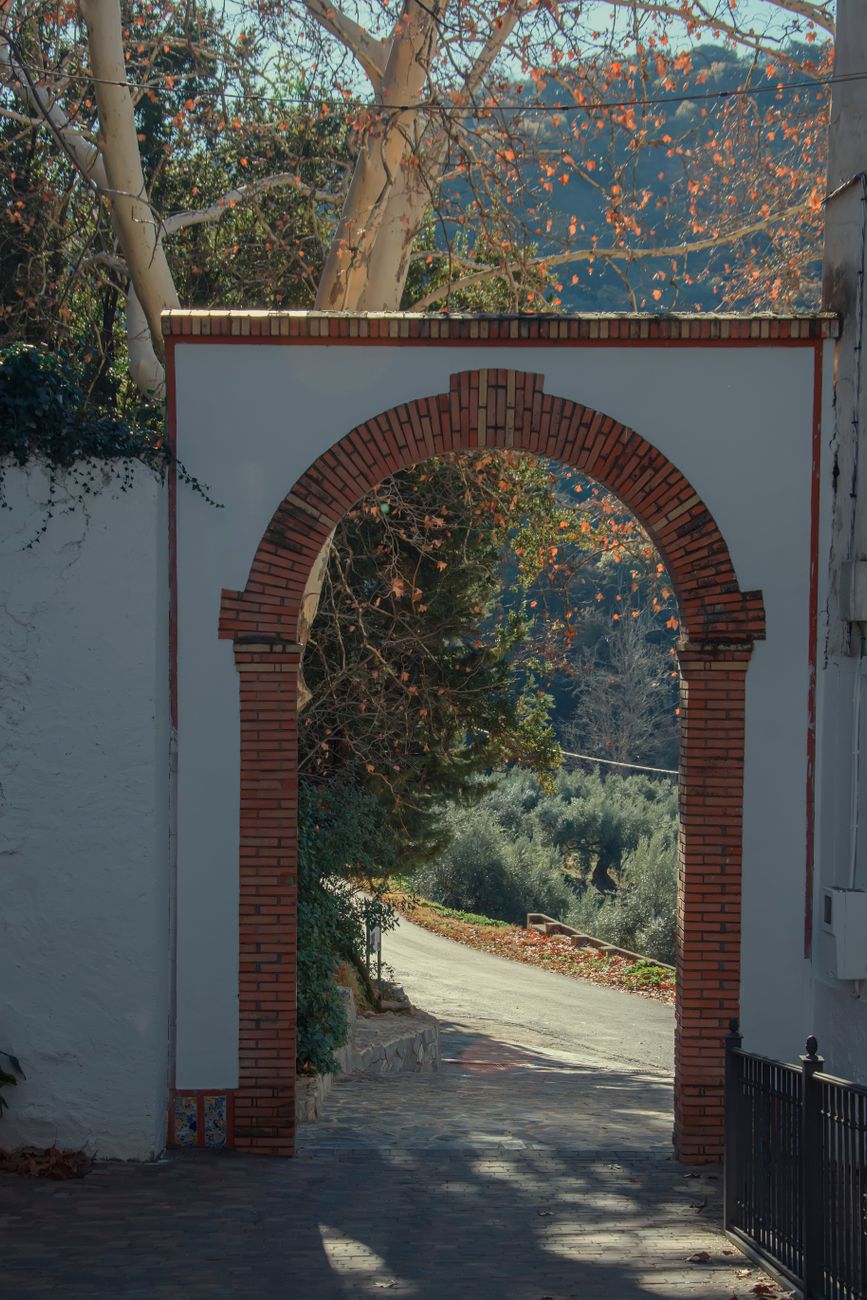
Under the high whitewashed arches of Sanlúcar de Barrameda, the sea breeze mingles with the scent of aged American oak casks, telling a story of patience that spans across generations.
To understand Andalusian wine is to acknowledge the master cooper and the biological veil known as the flor. Unlike modern flash-fermented wines that rush to global shelves, these fortified treasures rest in silence for decades, untouched by stainless steel or synthetic temperature regulators.
The Sacred Solera System
Walking through a quiet bodega in Jerez feels less like visiting a manufacturing plant and more like entering an underground cathedral. Sunlight streams through esparto grass blinds in thin amber ribbons, falling across rows of blackened casks arranged three or four tiers high.
When a cellar master draws a sample using a silver venencia, the liquid is remarkably clear, exhibiting nuances of toasted almond, sea salt, and chamomile blossoms. It is a sensory experience entirely anchored to geography and ocean proximity.
Seasonal Gatherings and Small Plates
Beyond the cellar doors, the surrounding tapas taverns honor an unwritten code of simplicity. Thin slivers of dry-cured ham from jabugo, small plates of warm olives brined with wild fennel, and grilled artichoke hearts eaten standing at a zinc counter with locals who have known each other for half a century.
It is here that modern rush ceases to exist. Travelers who take the time to converse with family owners uncover not just wine secrets, but an intimate understanding of Andalusian resilience.